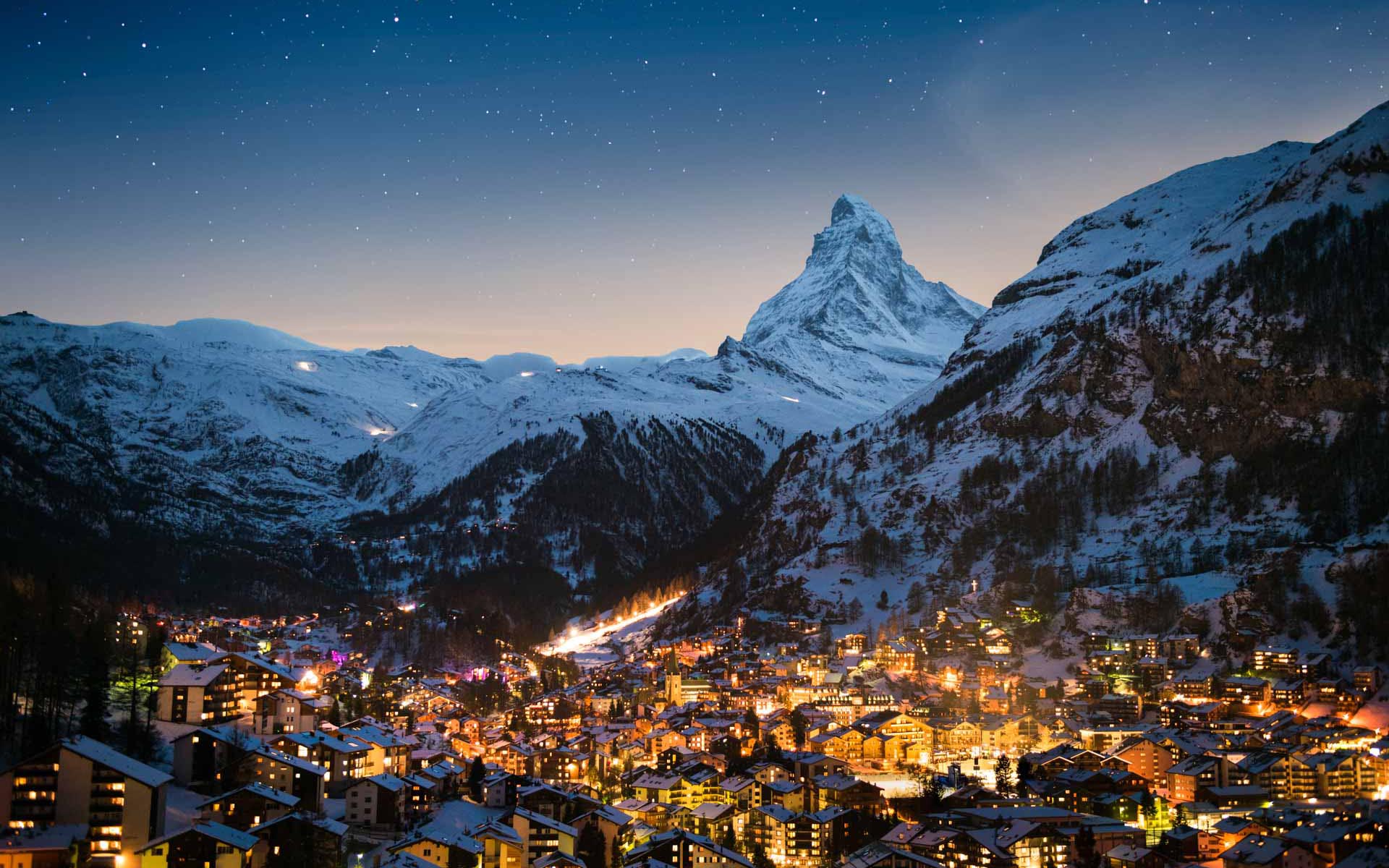
Handling low light conditions in street performer photography can be challenging, but with the right techniques and equipment, you can capture stunning images that convey the energy and emotion of the performance. Here are some of the best practices for dealing with low light conditions:
1. Use a Wide Aperture
A wide aperture (low f-stop number) allows more light to enter the lens, which is crucial in low light situations. This not only helps to brighten your images but also creates a beautiful depth of field, isolating the performer and blurring the background。
2. Increase ISO Sensitivity
Increasing the ISO setting on your camera makes the sensor more sensitive to light, allowing you to capture clearer images in dark environments. However, be cautious as higher ISO settings can introduce noise. Find a balance by testing your camera’s performance at different ISO levels。
3. Optimize Shutter Speed
In low-light situations, a fast shutter speed is essential to prevent motion blur, especially with moving subjects. A general rule of thumb is to keep your shutter speed at least as fast as the focal length of your lens。
4. Stabilize Your Camera
To capture sharp images in low-light conditions, it’s essential to stabilize your camera and minimize the blur caused by camera shake. Use a tripod, lean against a solid surface, or utilize image stabilization features in your camera or lens。
5. Explore Other Lighting Options
Position your subject near existing lights, such as street lamps or spotlights, to utilize additional illumination. If natural light sources are insufficient, consider using additional artificial lighting like portable LED lights, flash units, or light reflectors。
6. Shoot in RAW Format
Shooting in RAW format gives you more control over editing and minimizes noise. It allows you to make adjustments to exposure, white balance, and other settings in post-processing, providing more flexibility to salvage images shot in low light。
7. Embrace Available Light
Take advantage of any available light sources. Look for stage lights, neon signs, or even candles that can illuminate your subjects. Position yourself to capture the best angles where light falls on your subjects, enhancing their visibility and mood。
8. Experiment with Flash
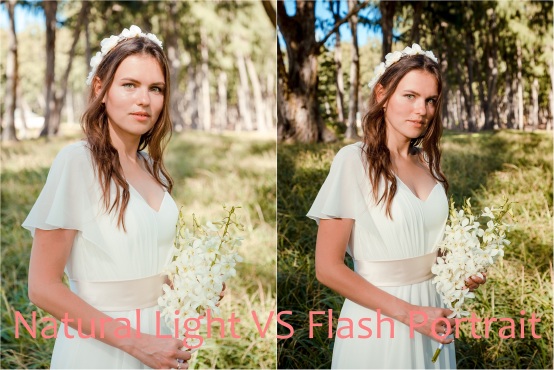
While using flash can be tricky in low-light settings, it can also help brighten up your images. If you decide to use a flash, consider bouncing it off a nearby wall or ceiling to create a softer light that reduces harsh shadows. Alternatively, use a diffuser to soften the flash output。
9. Practice and Experimentation
Mastering low light photography takes practice and experimentation. By understanding how to expose for low light conditions and utilizing the proper camera settings, you can capture stunning images in even the most challenging lighting situations。
By applying these techniques, you can effectively handle low light conditions in street performer photography, capturing the magic of performances with clarity and impact.