Understanding Adobe Systems: A Giant in Digital Media and Marketing Technology
Adobe Systems, a company that needs no introduction for most tech-savvy individuals, has been at the forefront of digital media and marketing technology for over four decades. Let’s delve into the history, products, market position, and the professional interpretation of Adobe’s impact on the industry.
History of Adobe Systems
Founded in 1982 by Chuck Geschke and John Warnock, Adobe’s initial claim to fame was its PostScript programming language, which revolutionized the way printers interpreted and processed text and graphics。The company’s name, Adobe, was inspired by the Adobe Creek that ran behind Warnock’s house。From these humble beginnings, Adobe has grown into a global leader in creative software, with its products becoming synonymous with digital media production.
Adobe’s Market Position
Today, Adobe enjoys a dominant position in the creative and marketing technology space. According to Synergy Research data, Adobe holds a 27.9% market share, making it the absolute leader in this field。Its transition from a traditional software company to a cloud-based subscription model has been nothing short of transformative, with over 95% of its products now cloud-based。This shift has not only modernized Adobe’s offerings but also solidified its position as the go-to solution for creatives and marketers worldwide.

Core Products and Professional Interpretation
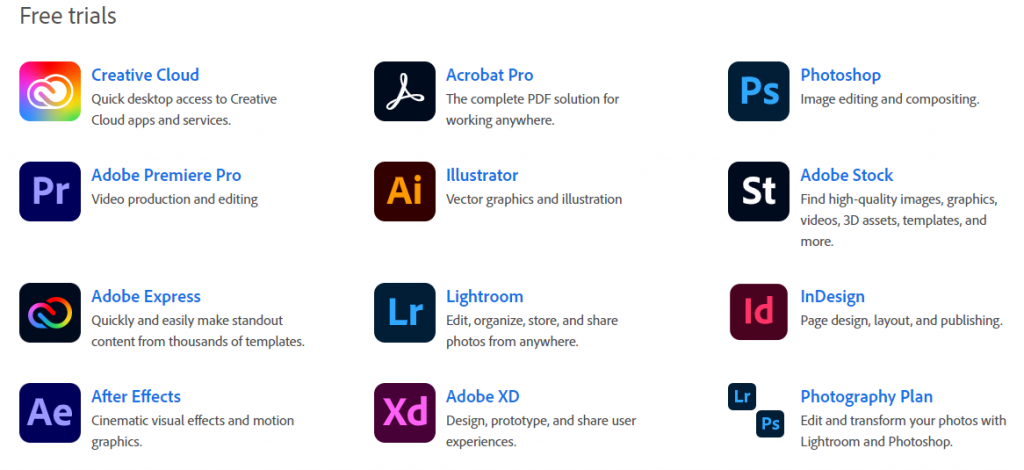
Adobe’s product suite, often referred to as the “Adobe Suite”, includes industry staples like Photoshop, Illustrator, Premiere, and Acrobat。These tools have become indispensable for professionals in design, video editing, digital documentation, and more. Photoshop, in particular, boasts a 90% market share in image editing software,demonstrating Adobe’s stronghold in the industry.
The company’s Creative Cloud platform has become the de facto standard for creative professionals, offering a comprehensive set of tools that cater to various needs。From graphic design to video production and web development, Adobe’s tools are designed to work seamlessly together, enhancing collaboration and efficiency.
Adobe’s Financial Performance
Adobe’s financial performance reflects its market dominance. With a 2022 revenue of $17.6 billion, a significant part of which comes from its subscription services,Adobe has proven that its transition to a SaaS model was not only successful but also highly profitable. The company’s net profit margin exceeds 27%, showcasing its financial health and strong business model。
Future Outlook and AI Integration
Looking ahead, Adobe continues to innovate, with a particular focus on integrating artificial intelligence (AI) into its products. This integration is set to enhance the company’s “three clouds” strategy: Creative Cloud, Document Cloud, and Experience Cloud。By leveraging AI, Adobe aims to further streamline content creation and delivery, providing users with more intuitive and efficient tools.
Conclusion
Adobe Systems, with its robust product lineup and strategic focus on cloud services and AI, stands as a powerhouse in the digital media and marketing technology industry. Its ability to adapt and innovate has kept it at the forefront of technology, making it a company that will likely continue to shape the future of digital creativity and marketing. For professionals in these fields, understanding Adobe’s offerings and staying updated with its latest developments is crucial for staying competitive in the ever-evolving digital landscape.